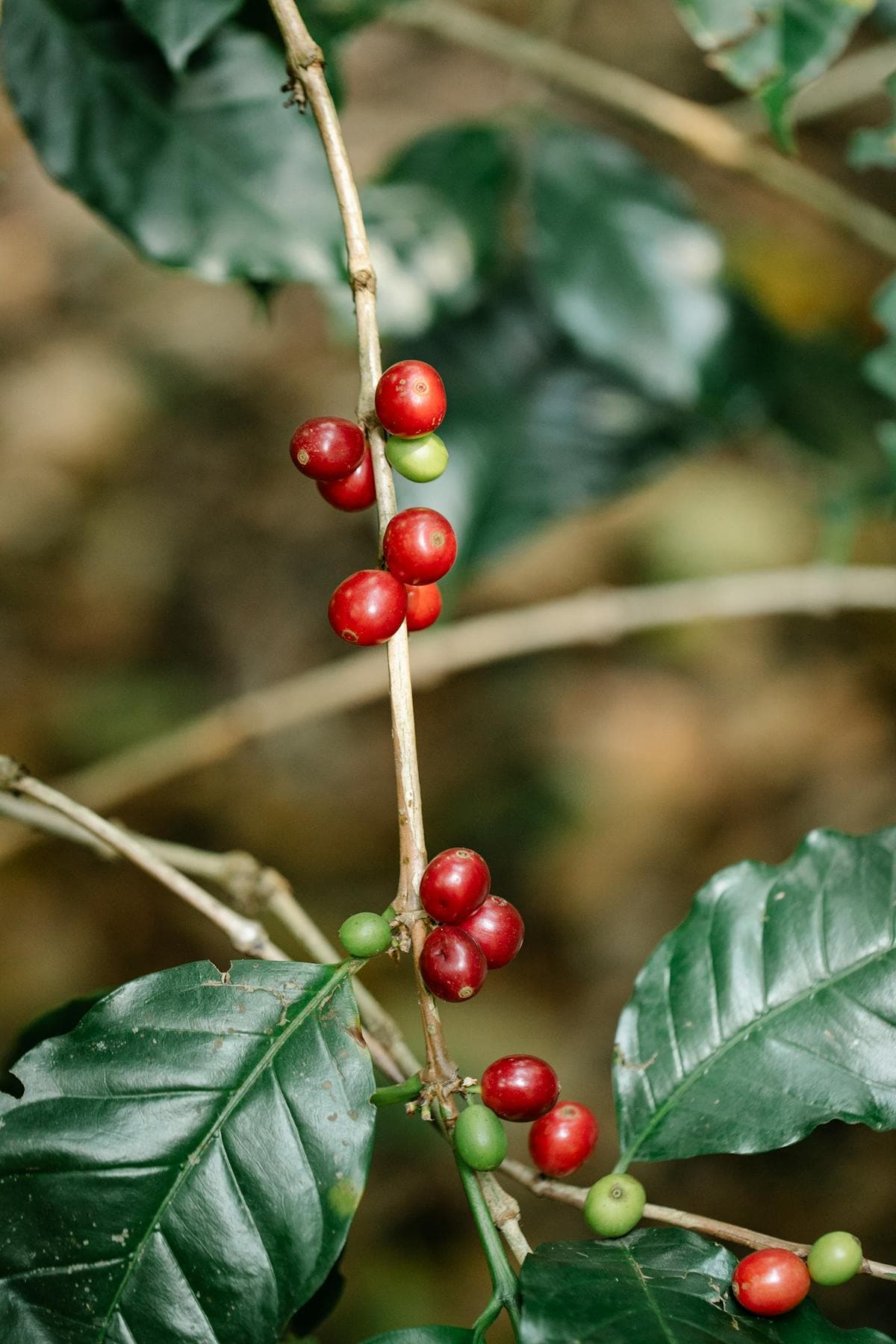
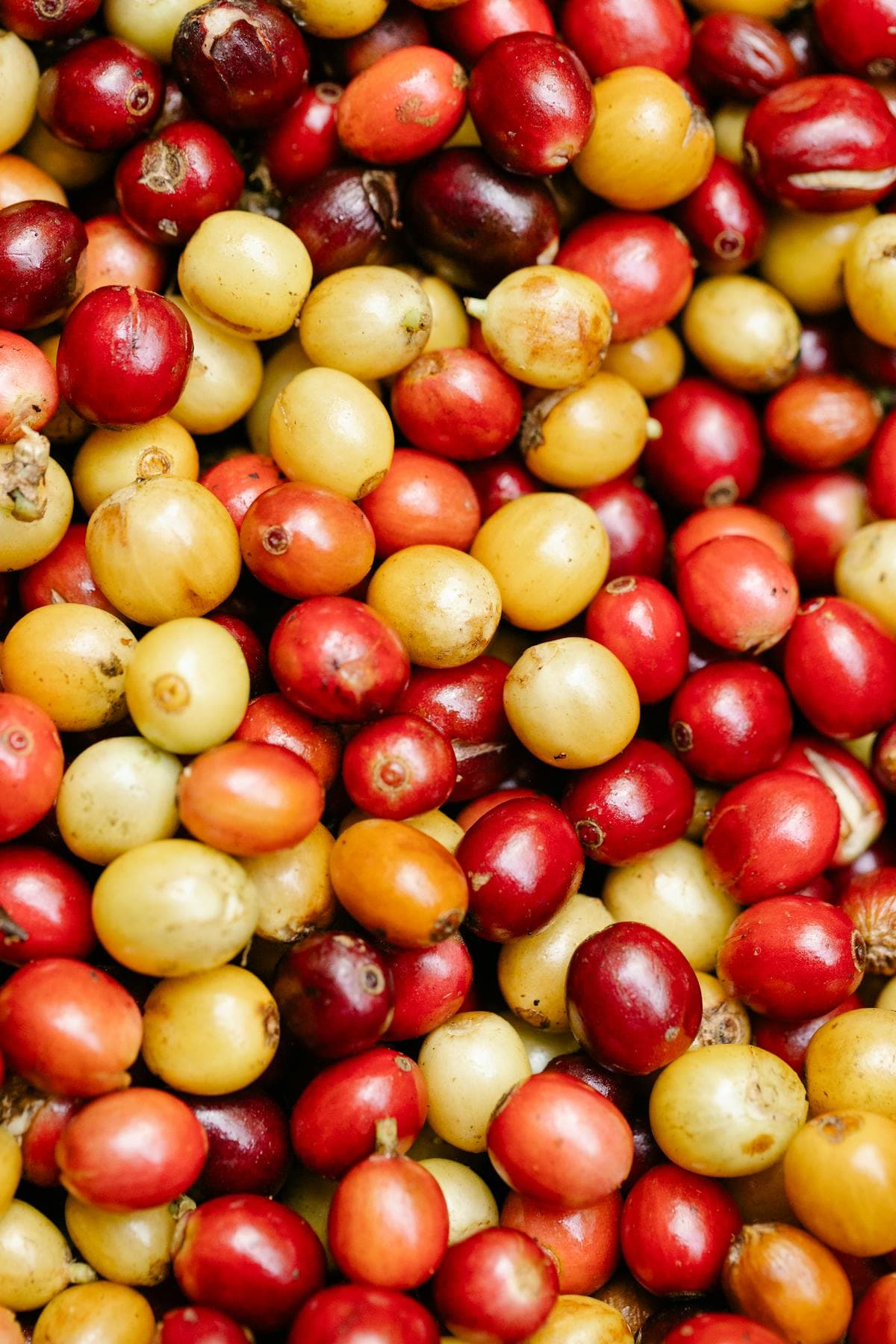
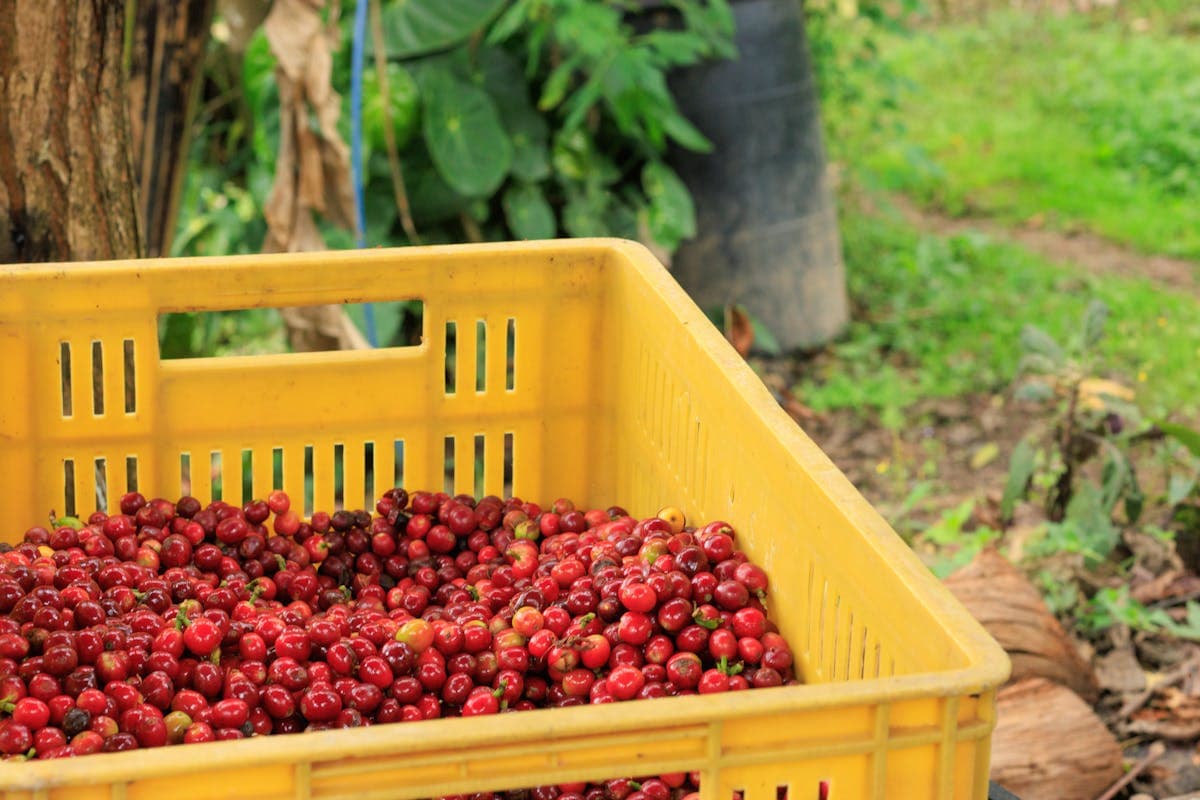
From cherry to green bean — the processing methods and fermentation techniques shaping cup profiles in specialty coffee.
9 methods
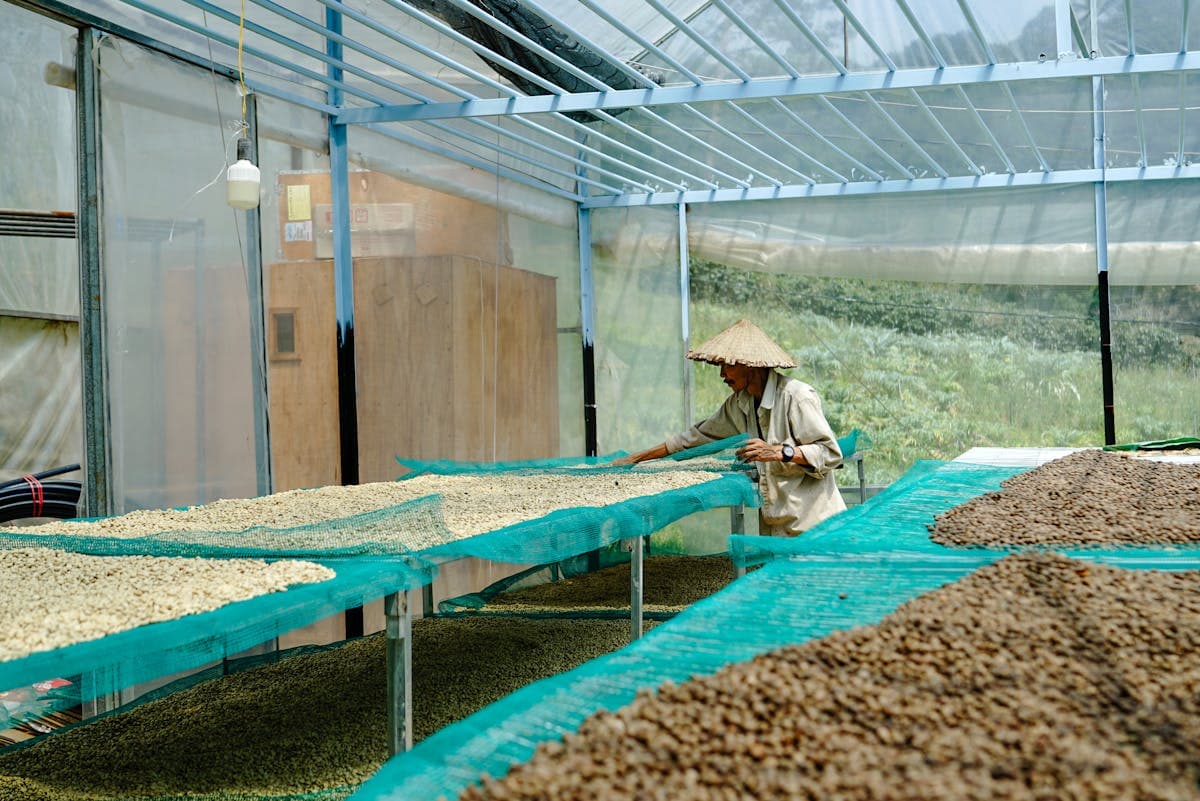
A hybrid between washed and natural. The skin is removed but mucilage stays on the bean during drying, producing rich sweetness.
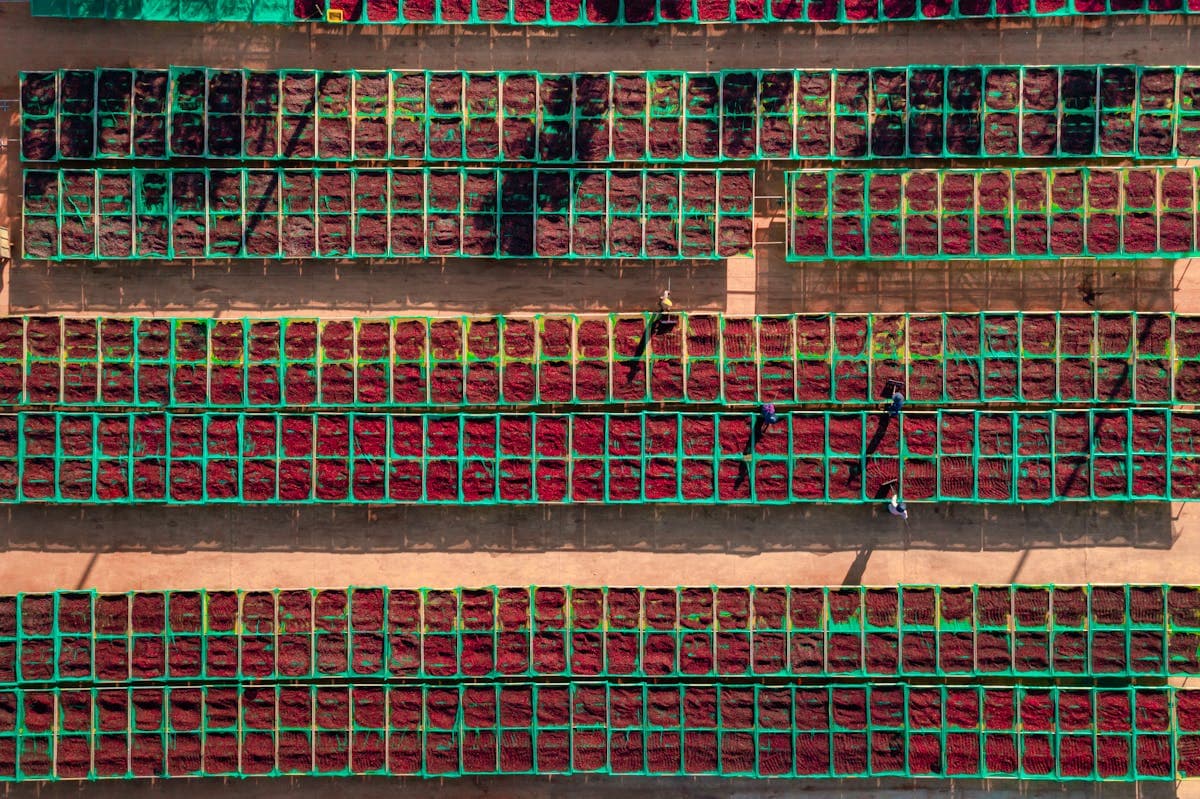
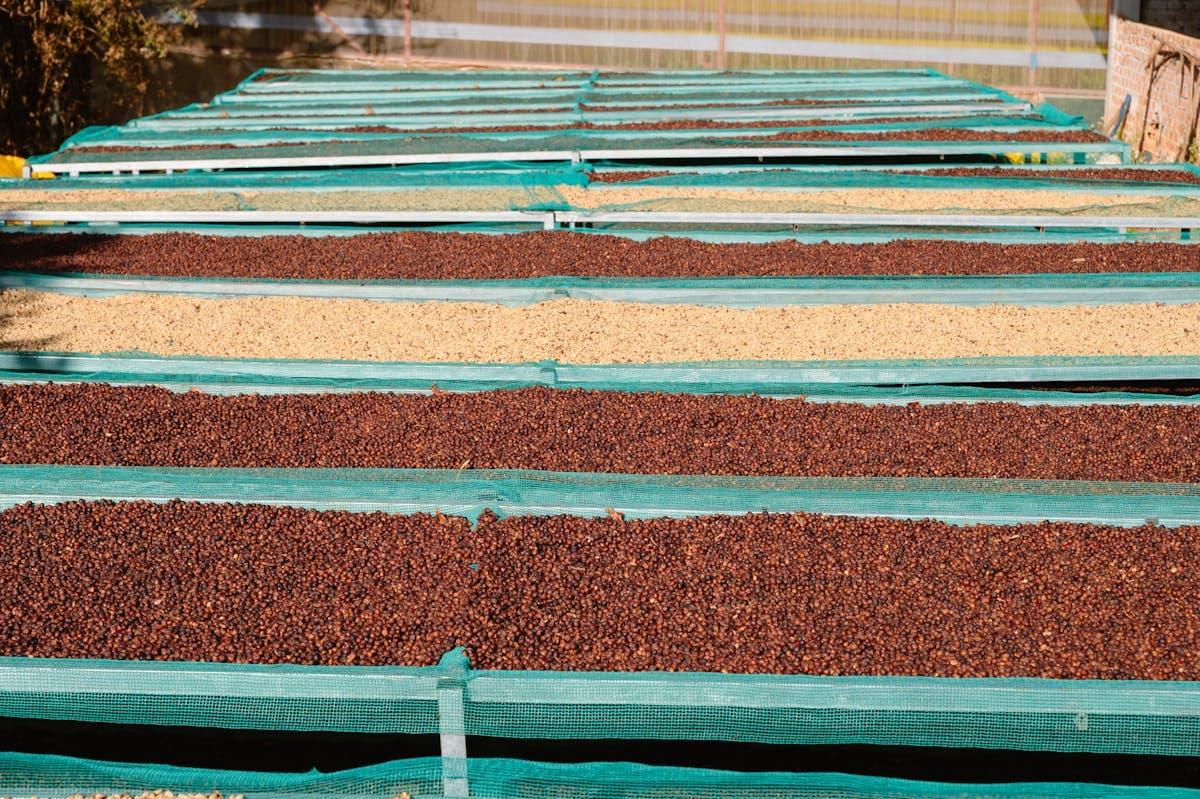
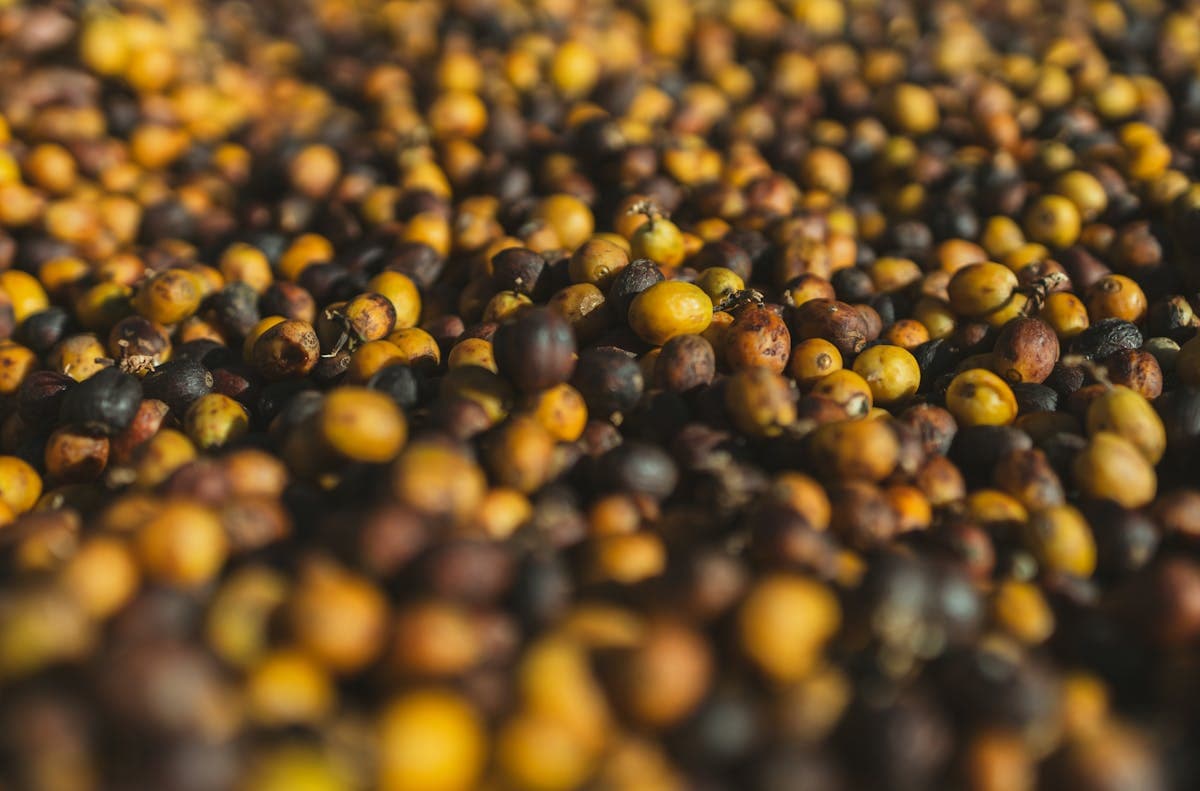
The oldest processing method. Drying the whole cherry produces a fruit-forward, complex, full-bodied cup.
The classic method of specialty coffee. Clean cups, defined acidity, and precise expression of variety and origin.
The classic Indonesian method. Parchment is removed while still wet, creating an earthy, savory, full-bodied profile.
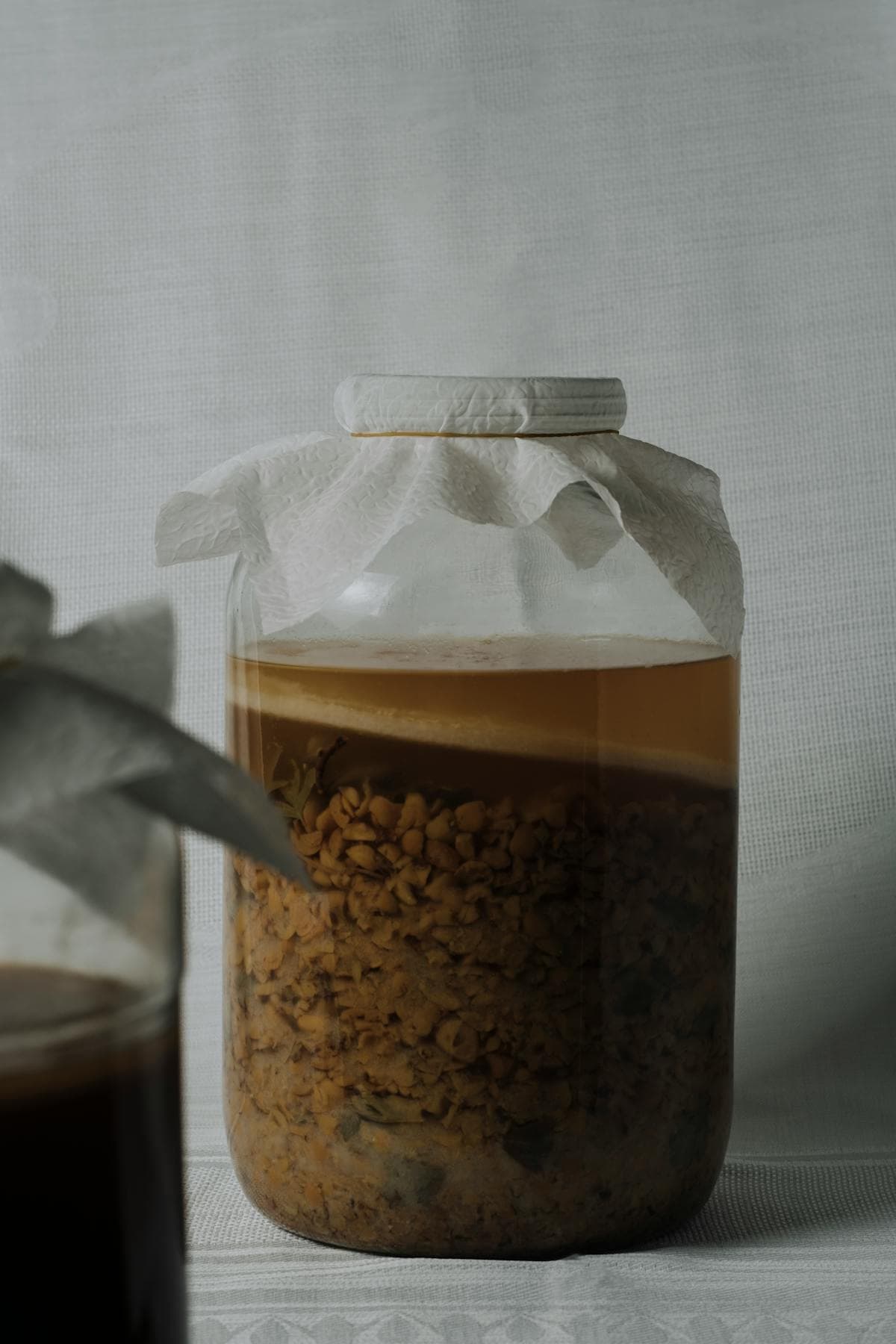
Fermentation in sealed oxygen-free tanks. One of the major coffee processing developments of the past decade, producing exotic, complex cups.
A technique borrowed from wine (Beaujolais). Whole cherries inside a CO2-filled tank — intracellular fermentation with a dramatic fruity profile.
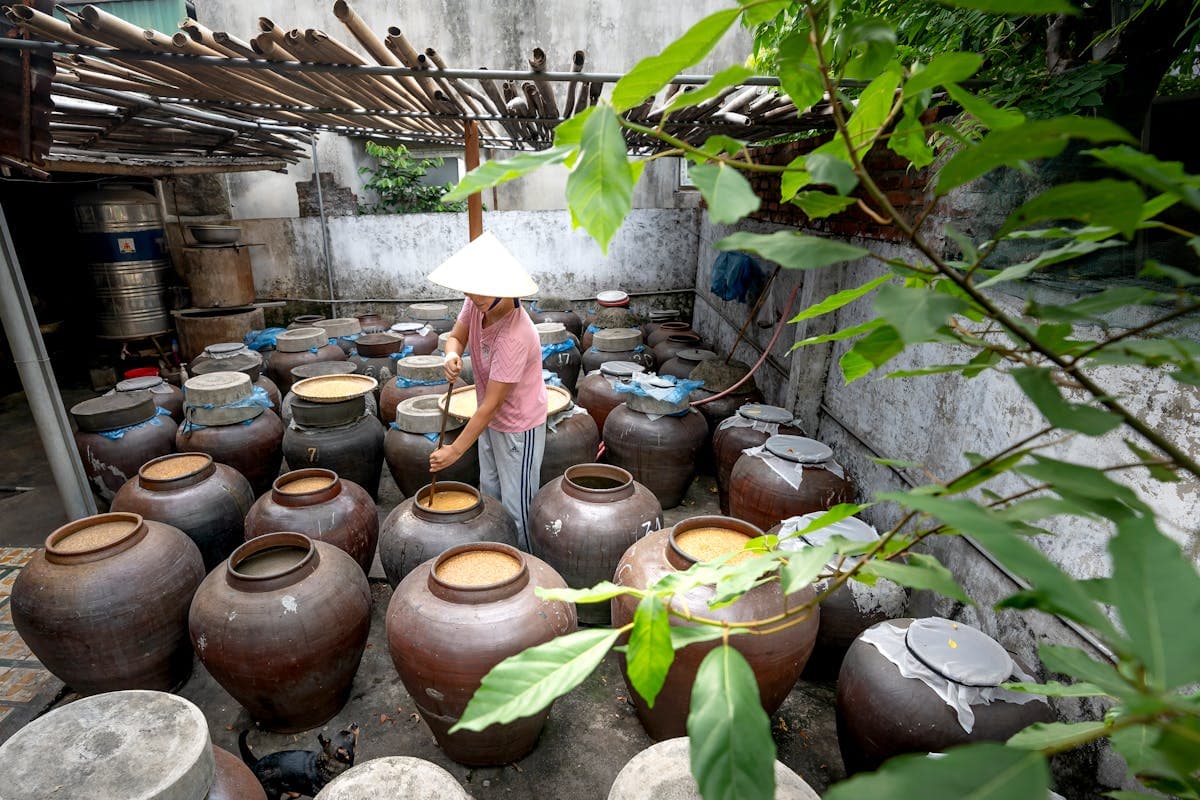
Fermentation with the koji fungus (Aspergillus oryzae) traditionally used for miso and sake. An experimental method with potential for unique umami profiles.
Anaerobic fermentation emphasizing lactic acid bacteria activity. Cups with yogurt, butter, and creamy notes.
An experimental technique using cycles of heating and cooling on cherries. Controversial but produces especially intense cups.