Natural (Dry Process)
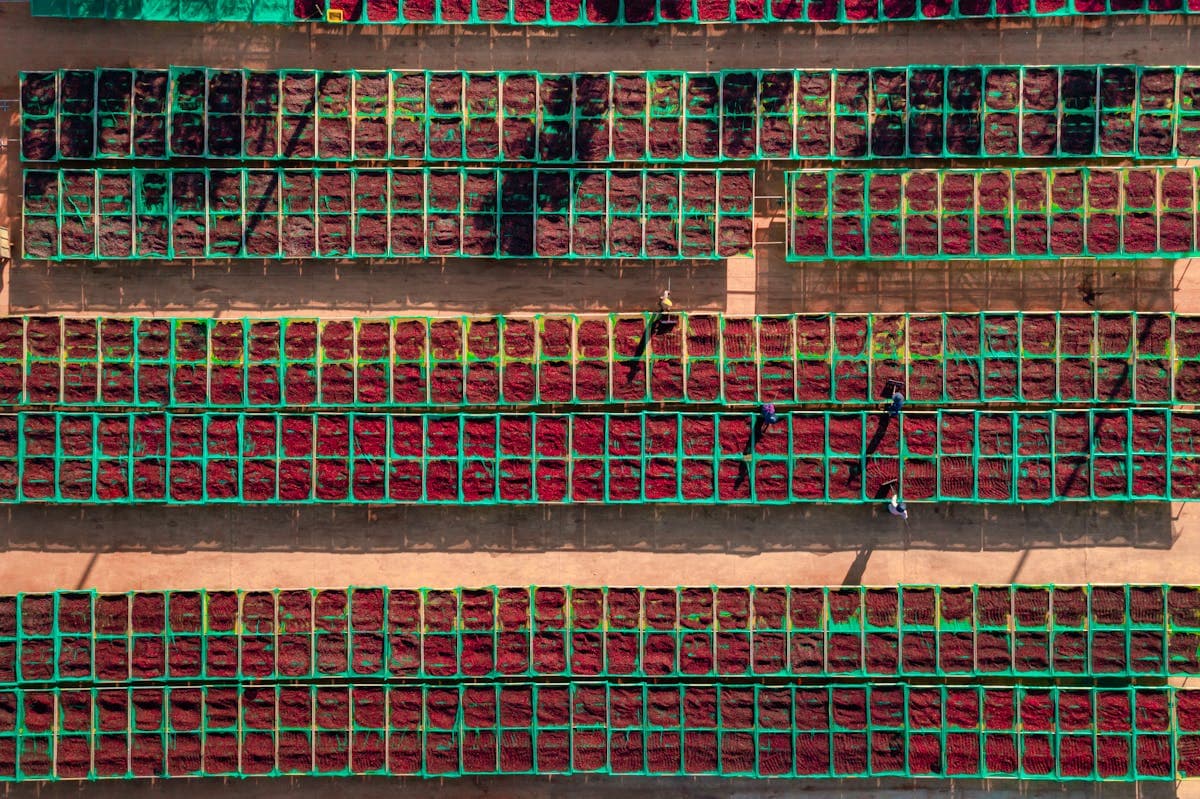
טבעי / יבשThe oldest processing method. Drying the whole cherry produces a fruit-forward, complex, full-bodied cup.
Typical flavor notes
Cup Profile
- Body
- Full
- Acidity
- Moderate
- Sweetness
- High
- Complexity
- High
- Cleanliness
- Variable
Process Details
- Duration
- 12-30 days drying
- Environment
- Whole cherry drying
- Drying
- Patio or raised beds, frequent turning
Common Origins
History & Process
The natural method is coffee's oldest form of processing — predating any modern method by thousands of years. Originally it was the only way: the cherry was harvested and laid out to dry whole, simply under the sun. Only after the fruit fully dries is the dry skin mechanically removed to reveal the green bean.
The process demands daily attention — flipping the cherries multiple times a day for 12 to 30 days, preventing overheating, keeping rain away. In the past the method was considered 'low quality' because it's easy to ferment off-flavors. But in modern specialty coffee (since the late 2000s) producers brought the method back — this time with meticulous care — and discovered it could produce unprecedented cups.
The fruit stays on the bean throughout drying, and its sugars, acids, and esters penetrate inward — creating an intensely fruity cup: strawberries, raspberries, red wine, chocolate, tropical fruit. Ethiopian Yirgacheffe naturals are among specialty's most beloved coffees. The downside: the method requires dry climate (no rain during drying season), substantial space to spread fruit, and tight quality control.