Thermal Shock
הלם תרמיAn experimental technique using cycles of heating and cooling on cherries. Controversial but produces especially intense cups.
Typical flavor notes
Cup Profile
- Body
- Full and rich
- Acidity
- Distinct
- Sweetness
- Very high
- Complexity
- High
- Cleanliness
- Good
Process Details
- Duration
- Multi-stage process, days
- Environment
- Hot water (~70°C) then cold (~10°C), repeated
- Drying
- Patio or raised beds, slow drying
Common Origins
History & Process
Thermal Shock is an experimental technique invented and developed at Hacienda El Paraiso in Colombia by producer Diego Bermudez — one of the revolutionary figures in modern coffee processing. The method gained major visibility when Bermudez won first place at Cup of Excellence Colombia several consecutive years.
The idea: disrupt the bean's biological environment through thermal shock — rapid heating then rapid cooling — multiple times. Each shock breaks down part of the microbiome while another part develops. The combination produces aromatic compounds that don't form in regular fermentation.
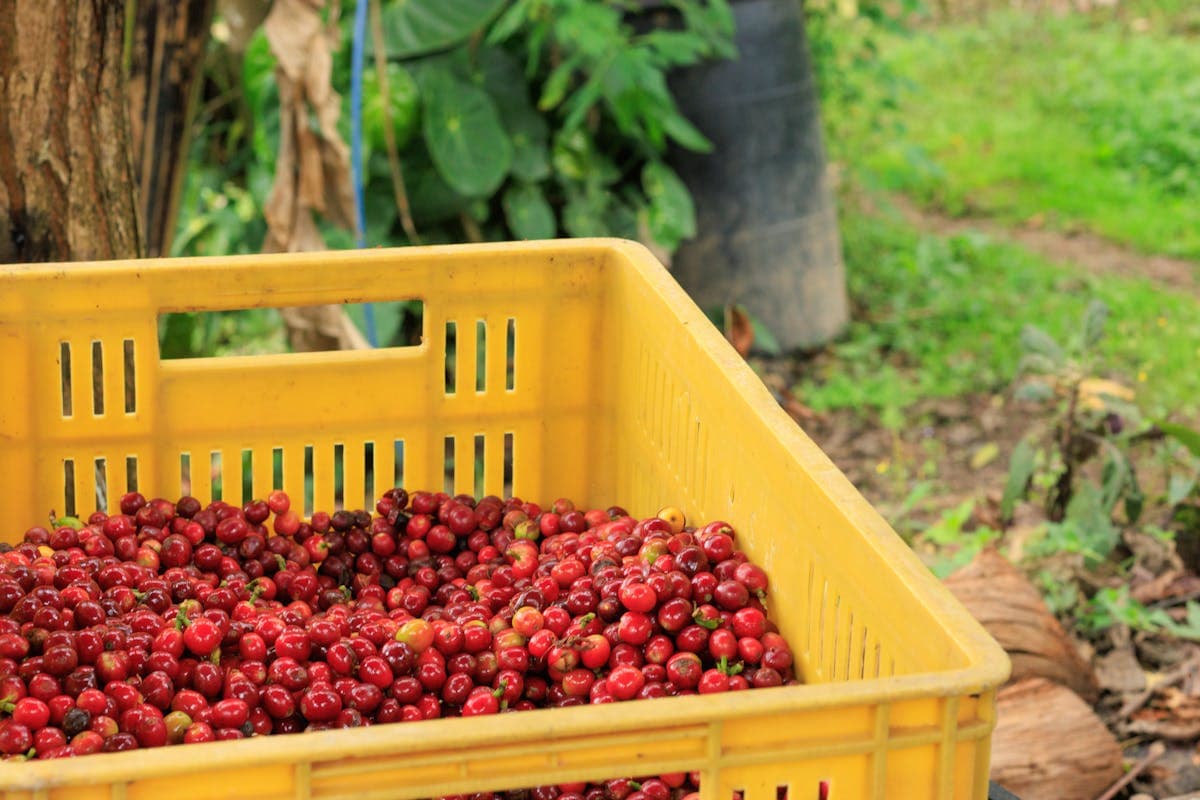
Process: the cherries (usually after initial anaerobic fermentation) are submerged in hot water around 70°C for several minutes, then immediately transferred to a cold water bath at ~10°C, repeating the cycle 2-4 times, and finally undergoing especially slow drying (sometimes in temperature-controlled rooms).
Final profile: dramatic. Ripe strawberry, red grapes, savory sauce, cooked berries, pomegranate — the cup can feel almost like a concentrated 'flavor enhancer,' not a regular coffee. Fans of the style are dazzled; traditionalists say it's 'misleading,' not a true expression of the coffee.
The method requires professional equipment (temperature baths, precise thermometers, large-scale water capacity) and remains the domain of a few boutique farms.